Eight NATO allies launch HALO satellite constellation initiative八个北约盟国启动HALO卫星星座计划
The project aims to stitch together spacecraft managed by individual member countries into one mega-constellation, alliance officials said.
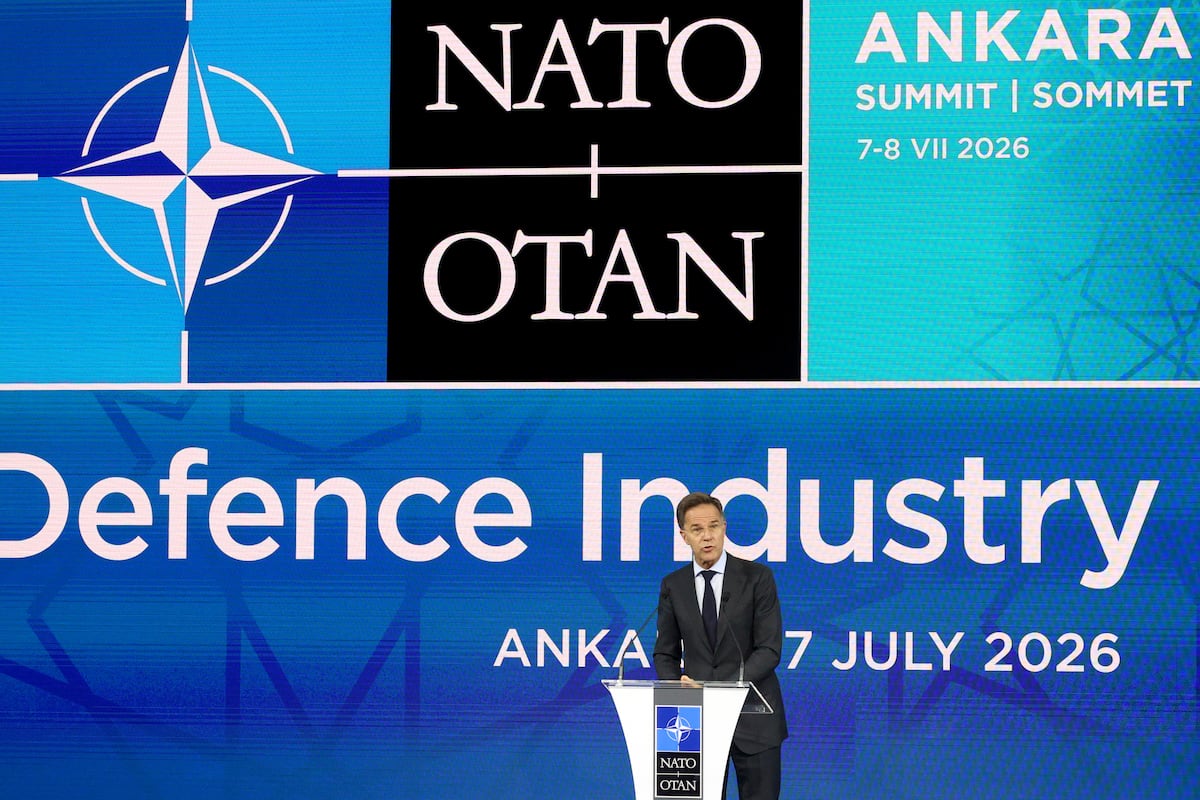
ANKARA — NATO nations will venture to field a multinational satellite constellation aimed at facilitating military operations from communications to surveillance, officials said at the alliance summit taking place here this week.
“I’m really pleased to announce that eight allies are launching a project to explore the development of a mega-constellation called HALO, opening a new chapter in allied space operations,” said Radmila Šekerinska, the NATO deputy secretary-general.
HALO — Hybrid Alliance Layered Operations in Space — will focus on improving connectivity and integration of sovereign, nationally owned and controlled military satellites into a networked constellation.
Denmark, Canada, Finland, Germany, Norway, the Netherlands, Sweden and Turkey are part of the effort. It aims to improve alliance resilience and military advantage in space, enabling high-speed communications, intelligence and missile tracking.
Individual satellite constellations run independently by member countries are vulnerable to cyberattacks, jamming or physical destruction, while also being too slow to relay large amounts of data, Šekerinska said.
“So this new model will be particularly helpful for high-speed communications, intelligence and missile tracking, overcoming the cost, the time and coverage limitations of single-nation satellite fleets,” she added.
Meanwhile, at the NATO Summit Defence Industry Forum, several nations declared their contributions to the space domain. Canada became the 15th member of NATO’s STARLIFT multinational initiative, which explores ways to develop a network of launch capabilities that will help allies launch assets on short notice from spaceports across the alliance.
Spain became the 19th country to join NATO’s Alliance Persistent Surveillance from Space initiative. Madrid will contribute by increasing coastal surveillance through imagery from its “Atlantic Constellation” satellites.
Turkey announced plans for the development of two additional high-resolution satellites to complement space capabilities in the region.
Cem Devrim Yaylali is a Turkey correspondent for Defense News. He is a keen photographer of military ships and has a passion for writing about naval and defense issues. He was born in Paris, France, and resides in Istanbul, Turkey. He is married with one son.
安卡拉——北约官员在本周于此地举行的联盟峰会上表示,北约国家将尝试部署一个多国卫星星座,旨在促进从通信到监视的军事行动。
“我非常高兴地宣布,八个盟国正在启动一个名为 HALO 的巨型星座的开发项目,这将开启盟军太空行动的新篇章,”北约副秘书长拉德米拉·谢克林斯卡说道。
HALO(混合联盟分层太空作战)将致力于改善主权国家所有和控制的军用卫星的连接性和集成,使其成为一个联网的星座。
丹麦、加拿大、芬兰、德国、挪威、荷兰、瑞典和土耳其参与了这项合作。其目标是提升联盟在太空领域的韧性和军事优势,实现高速通信、情报收集和导弹跟踪。
Šekerinska 表示,由成员国独立运行的各个卫星星座容易受到网络攻击、干扰或物理破坏,而且传输大量数据的速度也太慢。
她补充说:“因此,这种新模式将特别有助于高速通信、情报和导弹跟踪,克服单一国家卫星群的成本、时间和覆盖范围限制。”
与此同时,在北约峰会国防工业论坛上,多个国家宣布了它们对太空领域的贡献。加拿大成为北约“星际运载计划”(STARLIFT)的第15个成员国。该计划旨在探索如何建立一个发射能力网络,以帮助盟国从联盟各地的航天发射场快速发射航天器。
西班牙成为加入北约“联盟持续太空监视计划”(APSS)的第19个国家。马德里将通过其“大西洋星座”卫星提供的图像,加强对海岸线的监视,从而为该计划做出贡献。
土耳其宣布计划开发两颗高分辨率卫星,以补充该地区的太空能力。
杰姆·德夫里姆·亚伊拉利是《防务新闻》驻土耳其记者。他热衷于拍摄军舰,并对海军和国防议题充满热情。他出生于法国巴黎,现居土耳其伊斯坦布尔。他已婚,育有一子。