NATO laggard Belgium vows defense boost with more F-35s, third frigate北约落后国家比利时承诺增购F-35战斗机和第三艘护卫舰,以加强国防。
“This will put an end to what I can safely call a ‘period of national disgrace,’" said Belgium's new defense minister, Theo Francken.
PARIS — Belgium’s new government vows to boost the defense budget over the coming years to ensure the country, notoriously one of NATO’s worst performers on military spending, starts pulling its weight in the alliance.
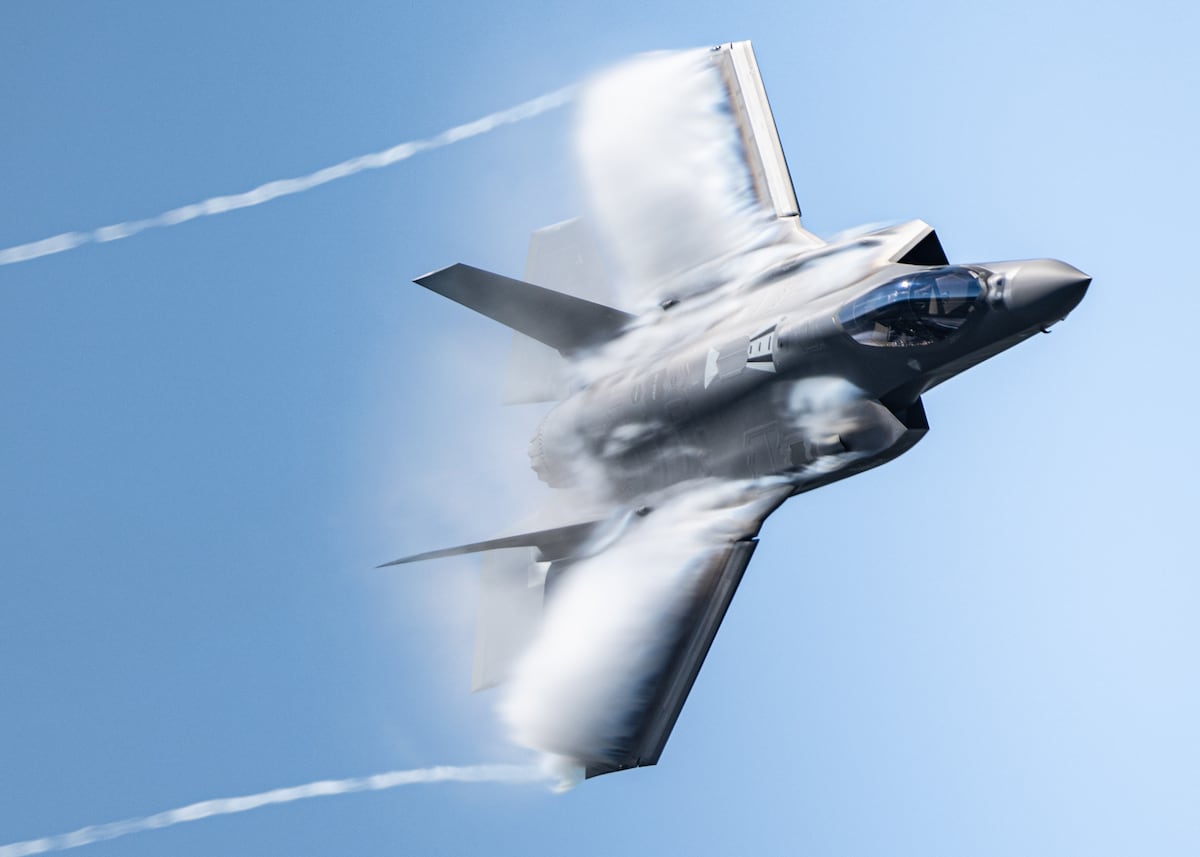
The government of Prime Minister Bart De Wever plans to set the Belgian defense budget on track to reach current NATO spending targets by 2029, and the coalition agreement underpinning the government calls for investing in air defense, more F-35 fighter jets and a third frigate.
“The time of rebuilding our defense has started,” Minister of Defence Theo Francken, who was sworn in last week, said in a speech to Belgian ambassadors on Feb. 7. “This will put an end to what I can safely call a ‘period of national disgrace.’ A period in which Belgium was not loyal to its status as a founding member of NATO, but acted as the most notorious free rider of the entire alliance.”
Belgium spent 1.3% of GDP on defense last year, near the bottom of the NATO pack together with Spain, Luxembourg and Slovenia. The alliance had agreed in 2014 to move towards 2% spending within a decade, and 23 of the 32 allies met that target last year, NATO estimates.
In his speech, Francken cited the Latin adage Si vic pacem, para bellum, or ‘If you want peace, prepare for war,’ saying many appeared to have forgotten that lesson.
The coalition agreement states “it’s finally time” for Belgium to meet its obligations under Article 3 of the NATO treaty – which calls for capacity both at the country level and collectively to resist armed attack – and to address Belgium’s vulnerability to threats from air and sea.
Francken says Belgian spending last year included 0.16% of GDP on support for Ukraine, leaving actual spending on the armed forces at less than 1.2%. Belgium spent 15% of its defense budget on major new equipment, the lowest share within the alliance, according to NATO estimates.
The government plans for Belgian defense spending to reach 2% of GDP in 2029, and 2.5% by 2034 at the latest. Belgium will set up a Defence Fund within the federal investment company, which Francken says could raise €2.4 billion, or $2.5 billion.
Belgium spent an estimated €7.9 billion on defense in 2024, according to NATO. That’s less than Denmark and Norway, each of which has about half the population of Belgium, and compares to €21.4 billion for the Netherlands.
The current climate of geopolitical tension and tight budgets means other countries are raising the issue of Belgian underinvestment, Francken told broadcaster Radio 1 last week. “And with Donald Trump, that will happen in a brutal manner, so I’m fully prepared for that.”
The Ministry of Defence aims to present a new investment plan ahead of the NATO summit in The Hague in June, where the alliance spending target will probably be raised, Francken said in a parliamentary discussion of the coalition agreement last week.
Investment will be guided by NATO and European Union capability targets, the coalition agreement states. An immediate priority will be to buy munitions, where Belgium has a major shortage, according to Francken.
Other priorities include layered air defense, additional F-35s, small transport aircraft in addition to the country’s seven A400M freighters, armed drones, a helicopter fleet and a third frigate, as well as maritime minehunting capacity, according to the coalition agreement.
Francken has been a defense spending hawk for years, and the coalition agreement covers many of his demands, including more F-35s. Belgium ordered 34 of the fighters in 2018 for €3.8 billion to replace its fleet of F-16s, with the first aircraft scheduled to arrive in the country this year.
The government also plans to ensure the Belgian Navy can deploy at least one frigate at any given time. The navy operates two frigates from the late 1980s that were acquired second-hand from the Dutch in 2005, with plans to replace the vessels in the early 2030s. Francken has repeatedly argued Belgium needs a third frigate, something that now looks set to happen.
Belgium announced the purchase of two anti-submarine warfare frigates from Damen Naval and Thales for around €2 billion in April 2023, in a joint deal with the Netherlands, which was buying the same number of vessels. The first Dutch frigate is scheduled for delivery end-2029, while Belgium is scheduled to receive its first vessel in the second half of 2030.
The Netherlands in September announced plans to buy two more anti-submarine warfare frigates, doubling its order, and six more F-35 fighter jets on top of 52 aircraft already announced.
The new Belgian government will also invest in air defense. De Wever, a party colleague of Francken and previously mayor of Antwerp, last year argued the port city needs dedicated air defense. Antwerp is the second-largest port in Europe after Rotterdam and a military mobility hub, with several U.S. Army combat brigades using the port for rotational deployment in recent years.
The new government aims to strengthen cooperation with the Netherlands and Luxembourg in the maritime domain, ground-based air defense, air power and special forces. The country plans to expand partnerships such as the CaMo land forces cooperation with France, and strengthen the existing motorized brigade in CaMo with deep-strike capability and rocket artillery.
The medium-term target is to stand up a second brigade that can be put at the disposal of NATO, according to the coalition agreement.
Rudy Ruitenberg is a Europe correspondent for Defense News. He started his career at Bloomberg News and has experience reporting on technology, commodity markets and politics.
巴黎——比利时新政府承诺在未来几年增加国防预算,以确保这个在北约军费开支方面表现最差的国家之一开始在联盟中发挥应有的作用。
首相巴特·德·韦弗领导的政府计划使比利时国防预算走上正轨,到 2029 年达到北约目前的支出目标。该政府的执政联盟协议呼吁投资防空、购买更多 F-35 战斗机和第三艘护卫舰。
“重建国防的时代已经开始,”上周宣誓就职的国防部长西奥·弗兰肯在2月7日对比利时大使发表讲话时说。“这将结束我所说的‘国家耻辱时期’。在那段时期,比利时没有忠于其作为北约创始成员国的地位,而是成为了整个联盟中最臭名昭著的搭便车者。”
比利时去年国防开支占GDP的1.3%,与西班牙、卢森堡和斯洛文尼亚一样,在北约成员国中排名垫底。北约在2014年同意在十年内将国防开支提高到GDP的2%,据北约估计,去年32个盟国中有23个达到了这一目标。
弗兰肯在演讲中引用了拉丁谚语“Si vic pacem, para bellum”(意为“想要和平,就要准备战争”),并表示许多人似乎已经忘记了这个教训。
联合协议指出,比利时“终于到了”履行其在北约条约第 3 条下的义务的时候了——该条款要求各国具备在国家层面和集体层面抵御武装攻击的能力——并解决比利时在空中和海上面临的威胁。
弗兰肯表示,比利时去年用于援助乌克兰的支出占GDP的0.16%,实际用于武装部队的支出不到1.2%。据北约估计,比利时将国防预算的15%用于购置大型新装备,是北约成员国中比例最低的。
比利时政府计划到2029年将国防开支提高到GDP的2%,最迟到2034年达到2.5%。比利时将在联邦投资公司内部设立国防基金,弗兰肯表示该基金预计可筹集24亿欧元,约合25亿美元。
据北约估计,比利时2024年的国防开支约为79亿欧元。这低于丹麦和挪威(两国人口约为比利时的一半),而荷兰的国防开支则高达214亿欧元。
弗兰肯上周在接受比利时广播一台采访时表示,当前地缘政治紧张局势和预算紧缩意味着其他国家正在提出比利时投资不足的问题。“而随着唐纳德·特朗普的上台,这种情况会变得更加残酷,所以我对此做好了充分的准备。”
国防部计划在 6 月海牙北约峰会之前提出一项新的投资计划,届时联盟的支出目标可能会提高。弗兰肯上周在议会讨论联合执政协议时表示。
联合协议指出,投资将以北约和欧盟的能力目标为指导。弗兰肯表示,当务之急是购买弹药,比利时目前严重缺乏弹药。
根据该联盟协议,其他优先事项包括多层防空、更多 F-35 战斗机、除该国七架 A400M 运输机外的小型运输机、武装无人机、直升机机队和第三艘护卫舰,以及海上扫雷能力。
弗兰肯多年来一直是国防开支方面的鹰派人物,而联合政府协议涵盖了他的许多要求,包括增购F-35战斗机。比利时于2018年订购了34架F-35战斗机,总价38亿欧元,用于替换其F-16机队,首批飞机计划于今年交付比利时。
政府还计划确保比利时海军在任何时候都能部署至少一艘护卫舰。比利时海军目前拥有两艘上世纪80年代末建造的护卫舰,这两艘护卫舰于2005年从荷兰购得二手舰,并计划在2030年代初进行替换。弗兰肯曾多次强调比利时需要第三艘护卫舰,而现在看来,这一计划即将实现。
2023年4月,比利时宣布与荷兰联合购买两艘反潜护卫舰,总价约20亿欧元,买家为达门海军造船厂和泰雷兹集团。荷兰也计划购买相同数量的护卫舰。荷兰的首艘护卫舰预计将于2029年底交付,而比利时的首艘护卫舰预计将于2030年下半年交付。
荷兰在9月份宣布计划再购买两艘反潜护卫舰,使其订单数量翻倍,并在已宣布的52架飞机基础上再购买6架F-35战斗机。
比利时新政府也将加大对防空系统的投入。德韦弗是弗兰肯的党内同事,曾任安特卫普市长,他去年就曾表示,这座港口城市需要专门的防空力量。安特卫普是仅次于鹿特丹的欧洲第二大港口,也是一个重要的军事机动枢纽,近年来,多个美国陆军作战旅都曾利用该港口进行轮换部署。
新政府的目标是加强与荷兰和卢森堡在海上、地面防空、空军和特种部队领域的合作。该国计划扩大伙伴关系,例如与法国在中美洲和地中海地区陆军的合作,并加强现有中美洲和地中海地区摩托化旅的纵深打击能力和火箭炮装备。
根据联盟协议,中期目标是组建第二个旅,供北约调遣。
鲁迪·鲁伊滕贝格是《防务新闻》的欧洲记者。他的职业生涯始于彭博新闻社,拥有报道科技、大宗商品市场和政治方面的经验。