EU mandates buy-European preference in new Ukraine assistance package欧盟在新一轮乌克兰援助计划中强制要求优先购买欧洲产品
The language represents Brussels’ most explicit attempt yet in leveraging aid to bolster Europe’s defense industrial base, though not all members agree.
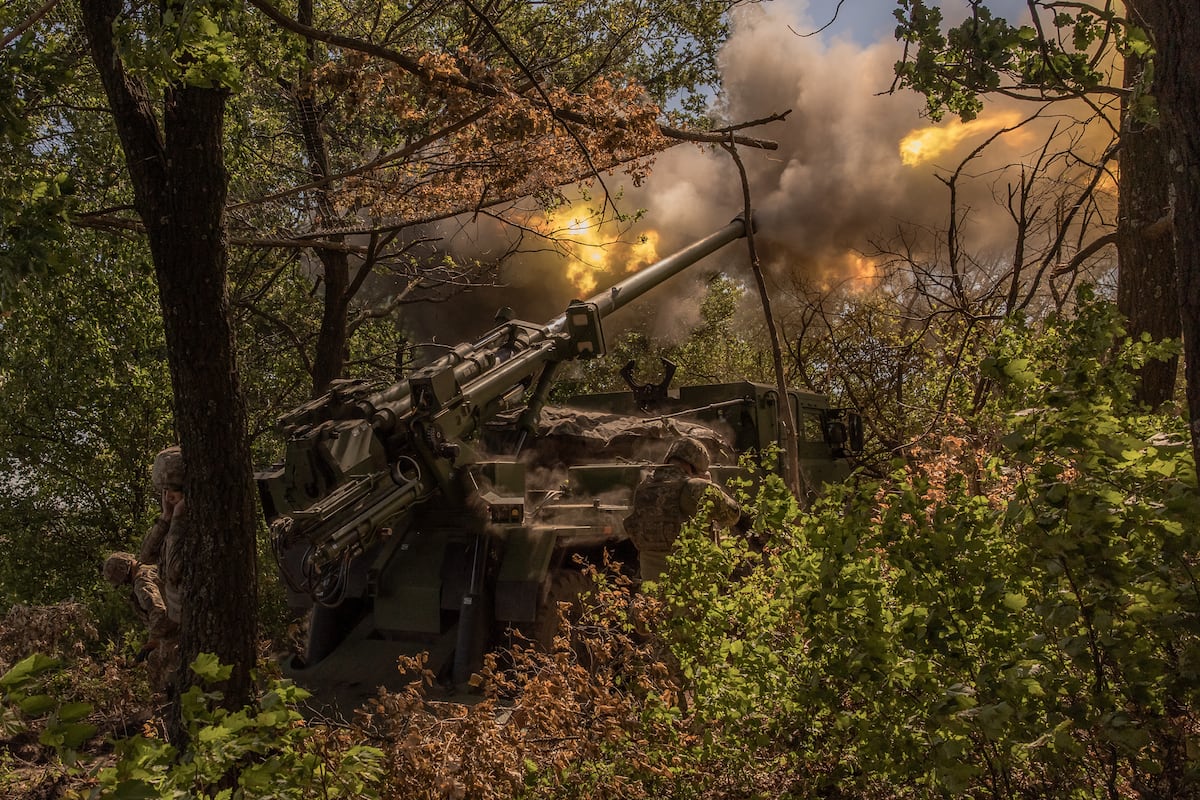
BERLIN — The European Commission this week formally proposed a €90 billion ($104.4 billion) loan package for Ukraine spanning 2026 and 2027, with a novel condition that Kyiv must prioritize purchasing weapons and military equipment from European manufacturers.
The package allocates roughly €60 billion for military assistance and €30 billion for “general budget support,” according to the Commission’s announcement .
The European preference clause − which requires Ukraine to buy from EU member states, associated countries like Norway and Iceland, or Ukrainian producers when available − represents Brussels’ most explicit attempt yet to leverage aid flows to bolster Europe’s defense industrial base. It also comes at a time of growing calls for European strategic independence and a deepening rift with the U.S. administration of President Donald Trump, which is the world’s largest arms exporter.
“For us, it is a lot of money. These are billions and billions that are being invested. And these investments should have a return on investment in creating jobs, in creating research and development,” Commission President Ursula von der Leyen said, explaining the preference for purchases in Europe. She emphasized Ukraine could turn to third countries “from time to time” if equipment is unavailable in Europe, describing a cascade principle: priority for Europe, and if this is not possible, procurement abroad.
The conditionality has already sparked divisions among member states. Germany sent a letter to EU capitals on Monday stating it “does not support proposals to limit third country procurement to certain products and is concerned that this would put excessive restrictions on Ukraine to defend itself,” Politico reported. The Netherlands has similarly called for maximum flexibility.
France, by contrast, appears to have been at the forefront of the push to include a “buy European” clause in the latest loan proposal.
The advance comes as President Donald Trump pushes for negotiations between Kyiv and Moscow, with von der Leyen framing the package as essential for Ukraine’s negotiating position.
“We all want peace for Ukraine. And for that, Ukraine must be in a position of strength — on the battlefield and at the negotiating table,” Von der Leyen said.
The loan will be financed through common EU borrowing using “enhanced cooperation,” a mechanism allowing willing member states to proceed when the full bloc cannot reach consensus. This makes decisions easier and veto-proofs them against the likes of Russia-friendly governments in Hungary and Slovakia.
The proposals now head to the European Parliament and Council, with the Commission saying swift adoption is essential for first disbursements to begin in the second quarter of 2026.
Linus Höller is Defense News' Europe correspondent and OSINT investigator. He reports on the arms deals, sanctions, and geopolitics shaping Europe and the world. He holds master’s degrees in WMD nonproliferation, terrorism studies, and international relations, and works in four languages: English, German, Russian, and Spanish.
柏林——本周,欧盟委员会正式提议向乌克兰提供 900 亿欧元(1044 亿美元)的贷款,期限为 2026 年至 2027 年,并提出了一项新的条件:基辅必须优先从欧洲制造商处购买武器和军事装备。
根据欧盟委员会的公告,该方案拨款约 600 亿欧元用于军事援助,300 亿欧元用于“一般预算支持”。
欧洲优先条款要求乌克兰必须从欧盟成员国、挪威和冰岛等联系国或乌克兰本国生产商处购买武器装备(如有),这是布鲁塞尔迄今为止最明确地利用援助资金来加强欧洲国防工业基础的尝试。与此同时,欧洲战略独立呼声日益高涨,与美国总统唐纳德·特朗普领导的美国政府(世界最大的武器出口国)的裂痕也日益加深。
“对我们来说,这是一笔巨款。数十亿的资金正在投入。这些投资应该带来回报,例如创造就业机会,促进研发,”欧盟委员会主席乌尔苏拉·冯德莱恩在解释优先在欧洲采购的原因时说道。她强调,如果欧洲无法提供所需设备,乌克兰可以“不时”转向第三国采购,并阐述了这一层级原则:优先在欧洲采购,如果欧洲采购不可行,则从国外采购。
这一附加条件已在成员国之间引发分歧。据Politico报道,德国周一致函欧盟各国首都,表示“不支持将第三国采购限制于特定产品的提议,并担心这将对乌克兰的自卫能力施加过度限制”。荷兰也同样呼吁保持最大限度的灵活性。
相比之下,法国似乎一直走在推动在最新贷款提案中加入“购买欧洲产品”条款的前列。
在这一进展之际,美国总统唐纳德·特朗普正推动基辅和莫斯科之间进行谈判,冯德莱恩则将该方案视为乌克兰谈判地位的关键。
冯德莱恩说:“我们都希望乌克兰和平。为此,乌克兰必须在战场上和谈判桌上都处于强大的地位。”
这笔贷款将通过欧盟共同借款,利用“加强合作”机制进行融资。该机制允许有意愿的成员国在欧盟全体无法达成共识的情况下独立推进贷款事宜。这使得决策更加便捷,并能有效防止匈牙利和斯洛伐克等亲俄政府的否决。
这些提案现在将提交给欧洲议会和理事会,欧盟委员会表示,迅速通过这些提案对于在 2026 年第二季度开始首次拨款至关重要。
林努斯·霍勒是《防务新闻》的欧洲记者和开源情报调查员。他报道影响欧洲乃至全球的军火交易、制裁和地缘政治。他拥有大规模杀伤性武器不扩散、恐怖主义研究和国际关系三个硕士学位,并精通英语、德语、俄语和西班牙语四种语言。