Finland readies itself to be able to host nukes in longtime policy departure芬兰准备迎接核武器部署,此举标志着芬兰长期以来政策的转变
The proposed law change would bring the country in line with NATO's nuclear-deterrence architecture, the government argues.
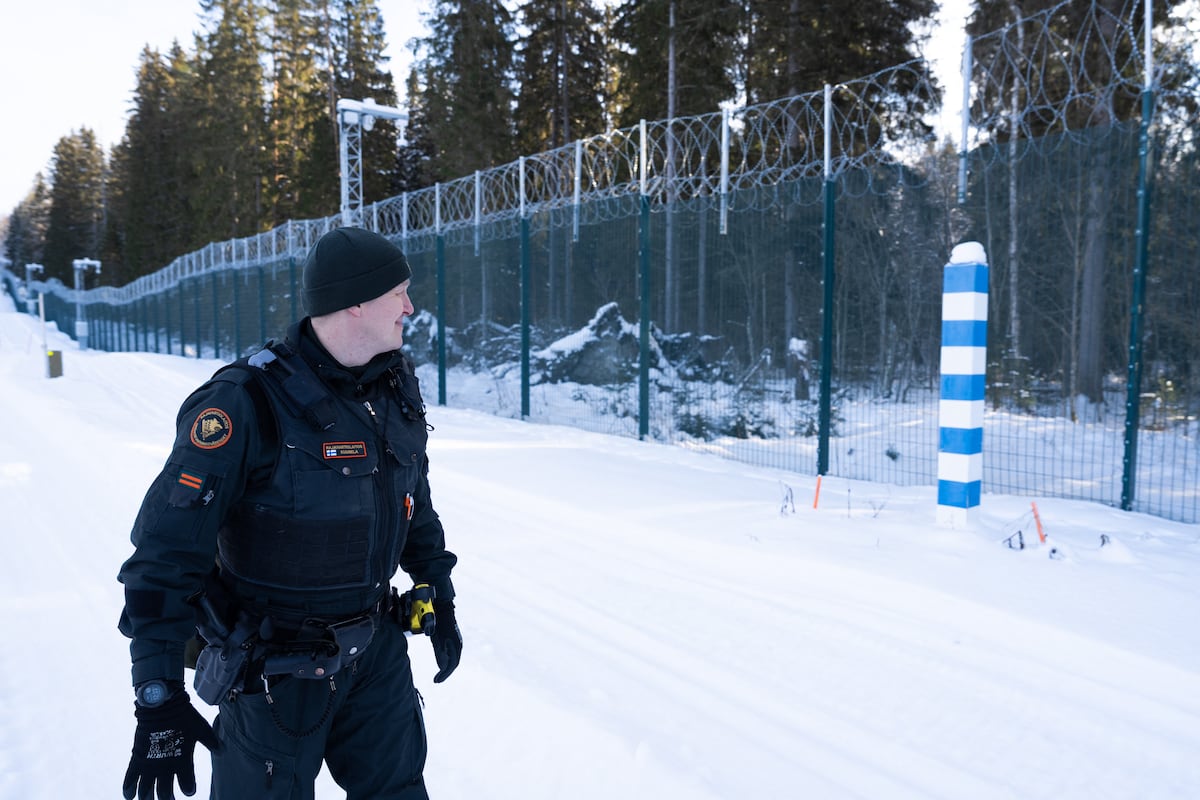
BERLIN — Finland’s government has proposed scrapping a Cold War-era blanket ban on nuclear weapons on its territory, a move the Ministry of Defense says is needed to fully integrate into NATO’s deterrence architecture.
The proposal, circulated for public comment on March 5, would amend both the Nuclear Energy Act and the Criminal Code. Under current law − passed in 1987 during a period of Finnish neutrality − the import, transport, possession, manufacture, and detonation of nuclear devices is categorically prohibited, without exception.
The draft amendment would permit nuclear weapons to be brought into or handled on Finnish soil “in the context of Finland’s homeland defense, NATO’s collective defense or defense cooperation,” according to the ministry. Manufacturing or detonating the weapons would remain a criminal offense, in line with Finland’s international treaty obligations.
“The amendment is essential to strengthen Finland’s military defense within the alliance and to fully leverage NATO’s deterrence and collective defense capabilities,” Defense Minister Antti Häkkänen said at a press briefing in Helsinki.
Most NATO members carry no equivalent legislative restrictions, making Finland an outlier since its 2023 accession. The government of Prime Minister Petteri Orpo has flagged the change as part of a broader package of legal reforms required to align Finnish statutes with alliance obligations.
Passage appears likely. The ruling right-wing coalition commands a parliamentary majority, and the proposal has the backing of the full government.
Finland’s Nordic neighbors have taken different approaches. Sweden, Denmark and Norway maintain peacetime political policies − not laws − against nuclear weapons on their territory. Opposition figures, including SDP lawmaker Tytti Tuppurainen, have argued the Finnish amendment goes further, removing all restrictions rather than preserving a peacetime prohibition.
The proposal is open for public comment ahead of a formal parliamentary vote. No timeline for enactment has been announced, though the government said it wanted the changes to go into effect as soon as possible.
Linus Höller is Defense News' Europe correspondent and OSINT investigator. He reports on the arms deals, sanctions, and geopolitics shaping Europe and the world. He holds master’s degrees in WMD nonproliferation, terrorism studies, and international relations, and works in four languages: English, German, Russian, and Spanish.
柏林——芬兰政府提议取消冷战时期在其领土上全面禁止核武器的禁令,国防部表示,此举对于全面融入北约的威慑体系是必要的。
该提案于3月5日公开征求意见,拟对《核能法》和《刑法》进行修订。现行法律(1987年芬兰处于中立时期通过)明确禁止进口、运输、持有、制造和引爆核装置,没有任何例外。
据芬兰国防部称,该修正案草案将允许在“芬兰国土防御、北约集体防御或防务合作的框架下”将核武器带入芬兰境内或在芬兰境内处理核武器。制造或引爆核武器仍将构成刑事犯罪,这符合芬兰的国际条约义务。
“这项修正案对于加强芬兰在联盟内的军事防御,以及充分发挥北约的威慑和集体防御能力至关重要,”芬兰国防部长安蒂·哈卡宁在赫尔辛基举行的新闻发布会上表示。
大多数北约成员国没有类似的法律限制,这使得芬兰自2023年加入北约以来成为一个特例。芬兰总理佩特里·奥尔波领导的政府已将此项变更视为一系列更广泛的法律改革的一部分,旨在使芬兰的法律与联盟义务保持一致。
该提案很可能获得通过。执政的右翼联盟在议会中占据多数席位,而且该提案也得到了政府全体成员的支持。
芬兰的北欧邻国采取了不同的做法。瑞典、丹麦和挪威奉行和平时期的政治政策(而非法律),禁止在其领土上拥有核武器。包括社民党议员蒂蒂·图普赖宁在内的反对派人士认为,芬兰的修正案走得更远,它取消了所有限制,而不仅仅是保留和平时期的禁令。
该提案在正式议会投票表决前,正公开征求公众意见。虽然政府表示希望这些改革措施尽快生效,但尚未公布具体的实施时间表。
林努斯·霍勒是《防务新闻》的欧洲记者和开源情报调查员。他报道影响欧洲乃至全球的军火交易、制裁和地缘政治。他拥有大规模杀伤性武器不扩散、恐怖主义研究和国际关系三个硕士学位,并精通英语、德语、俄语和西班牙语四种语言。