Pacifist Japan moving from exclusive self-defense to military buildup奉行和平主义的日本从单纯的自卫转向军事扩张
Officials say the buildup is necessary to deter China and make Japan’s military more self-reliant.
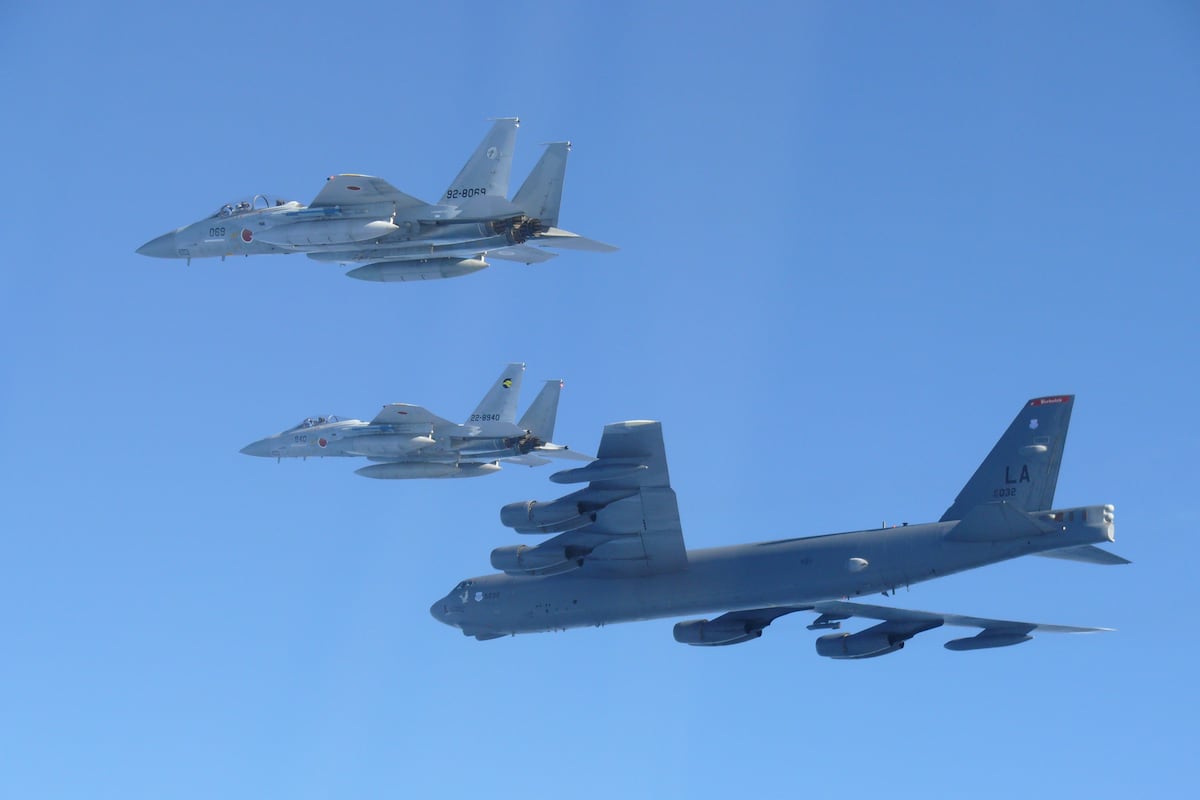
Japan is barreling forward with efforts to significantly boost its military capabilities to stand up to China’s growing threats by doubling annual arms spending. The goal comes as Tokyo’s main ally, the United States, pushes for more military assistance in Asia and a military hawk and ultra-conservative takes over Japan’s leadership.
Japan says it is still a peaceful nation and the buildup is necessary for a more self-reliant military that can better deter China. But Beijing and other critics see Japan as deviating from its postwar peace pledge, pointing to Prime Minister Sanae Takaichi’s statement soon after taking office that any Chinese military action against Taiwan could be grounds for a Japanese military response.
Japan’s transformation into one of the world’s major defense spenders has developed over decades and raises the question of whether the ongoing buildup is a violation of its pacifist constitution.
Here is a closer look.
Japan’s constitution has been hollowed out
After World War II, Japan was not supposed to have a military.
During the 1945-1952 U.S. occupation, American officials wanted to stamp out the militarism that led to Japanese aggression across Asia before and during the war.
Under Article 9 of the U.S.-drafted 1947 constitution, Japan renounced the use of force to settle international disputes, and the right to maintain land, sea and air forces for that purpose.
The U.S. changed its mind about Japanese militarism when the Korean War started in 1950. Japan became an ally, not a threat, leading to the creation of the Japanese Self-Defense Forces in 1954. Article 9 is now widely seen as the legal basis for Japan to have a sufficient military to defend itself.
Japan has since repeatedly stretched the definition of self-defense, allowing overseas dispatches of its troops as part of international peacekeeping operations, though mostly avoiding combat missions.
A big change came in 2014, under former Prime Minister Shinzo Abe, who wanted Japan to have a normal military. Abe newly interpreted Article 9 as legalizing collective defense. The following year, a security law allowed Japan to use force if the United States or other friendly nations come under enemy attack, even if Japan is not being attacked.
This was Abe’s attempt to have a normal military without formally changing the constitution.
Takaichi angered China by giving a hypothetical example of such a situation, a deviation from former leaders’ strategic ambiguity.
Tensions with China worsen
The flap with Beijing escalated in December when Chinese aircraft locked their radars, considered possible preparation for firing missiles, on Japanese planes during Chinese aircraft carrier drills near southwestern Japan.
Two Chinese aircraft carriers also were spotted in June operating near the southern Japanese island of Iwo Jima for the first time. This led to worry in Tokyo about Beijing’s rapidly expanding military activity far beyond its borders and in areas around islands claimed by both countries.
Takaichi’s Cabinet last week approved a record defense budget plan. It exceeds 9 trillion yen ($58 billion) for the coming year and aims to fortify its strike-back capability and coastal defense with cruise missiles and unmanned arsenals.
In Beijing later that day, Foreign Ministry spokesperson Lin Jian criticized the Takaichi government for accelerating the pace of its military buildup and expansion, and added: “Japan is deviating from the path of peaceful development it has long claimed to uphold and is moving further and further in a dangerous direction.”
China, which spends a huge amount on its own defense, may also see Takaichi as a defender of Japanese wartime aggression. Before taking office, she was a regular at Tokyo’s Yasukuni Shrine, which honors Japan’s 2.5 million war dead, including convicted war criminals. Victims of Japanese aggression, especially China and the Koreas, see visits to the shrine as tantamount to a lack of remorse about Japan’s wartime past.
Takaichi stayed away from Yasukuni in 2025 and sent a religious ornament marking the Aug. 15 anniversary of Japan’s defeat as a personal gesture instead of praying at the shrine.
Japan takes on more offensive roles
A fundamental change came in December 2022 when former Prime Minister Fumio Kishida’s government adopted a security strategy stating the need for Japan to acquire strike-back capability with long-range missiles, a major break from Japan’s self-defense-only policy.
The strategy names China as Japan’s biggest strategic challenge and calls for a more offensive role for Japanese troops under its security alliance with the U.S as the allies work more closely together.
Masahiro Sakata, former head of the Cabinet Legislative Bureau, described the move as “the death of Article 9.”
After the war, Japan long prioritized economic development over defense while relying largely on the U.S. by hosting about 50,000 American troops who also serve the region.
Japan maintained a defense spending cap of 1% of GDP until the annual defense budget started to rise under Abe’s nearly decade-long leadership, to about 1.1%. Takaichi is certain to achieve a 2% target by March, two years earlier than planned, and is expected to push for more spending in coming years as Japan is under growing pressure after NATO adopted a new target of 5%.
Japan plans to promote defense industry
Takaichi’s revised security and defense policy would aim to further bolster Japan with unmanned combative weapons and long-range missiles. It is expected to scrap remaining restrictions on arms exports to promote the development of Japan’s defense industry and cooperation with friendly nations.
Japan has long banned arms exports but has significantly eased restrictions in recent years and is now developing next-generation fighter jets with the UK and Italy while finalizing a deal to sell frigates to Australia. Japan also will to provide support for construction and maintenance for U.S. warships.
A government-commissioned panel has proposed Japan consider developing a nuclear submarine to achieve a more long-distance deterrence capability, a controversial idea for a country that has long maintained non-nuclear principles.
Japan has requested Washington ensure protection through the extended deterrence of nuclear weapons. A number of officials recently expressed support for Japan’s nuclear possession, which has led to criticism from Japanese atomic bomb survivors and other pacifist groups.
Japan stands by its three non-nuclear principles of not possessing, not producing and not allowing its presence, according to Defense Minister Shinjiro Koizumi, although he said Japan is considering all options for a possible new submarine.
日本正大力推进军备建设,以应对中国日益增长的威胁,计划将年度军费开支翻一番。与此同时,东京的主要盟友美国正敦促日本向亚洲提供更多军事援助,而一位鹰派强硬派和极度保守的领导人也即将接任日本政府的领导层。
日本声称自己仍然是一个爱好和平的国家,扩充军备对于建立一支更加自主的军队、更好地威慑中国是必要的。但北京和其他批评人士认为日本此举背离了战后和平承诺,并指出首相高市早苗上任不久便发表声明称,任何中国对台湾的军事行动都可能成为日本采取军事回应的理由。
日本成为世界主要国防开支国之一的过程是几十年来逐步形成的,这引发了一个问题:持续的军备建设是否违反了其和平宪法。
让我们仔细看看。
日本宪法已被掏空
二战后,日本原本不应该拥有军队。
在 1945 年至 1952 年美国占领期间,美国官员希望消除导致日本在战前和战时在亚洲进行侵略的军国主义。
根据美国起草的 1947 年宪法第 9 条,日本放弃了使用武力解决国际争端的权利,以及为此目的维持陆海空军的权利。
1950年朝鲜战争爆发后,美国改变了对日本军国主义的看法。日本从威胁变成了盟友,这促成了日本自卫队的成立。如今,宪法第九条被广泛认为是日本拥有足够军事力量自卫的法律依据。
此后,日本多次扩大自卫的定义,允许向海外派遣军队参与国际维和行动,但大多避免执行作战任务。
2014年,在时任首相安倍晋三的领导下,日本发生了重大变化。安倍希望日本拥有一支正常的军队。他对宪法第九条进行了新的解读,将其解释为集体防御合法化。次年,一项安全法的出台允许日本在美方或其他友好国家遭受敌方攻击时动用武力,即使日本自身并未受到攻击。
这是安倍试图在不正式修改宪法的情况下建立一支正常的军队。
高市举了一个假设的例子来说明这种情况,这与前任领导人的战略模糊性有所不同,从而激怒了中国。
与中国的紧张关系加剧
与北京的冲突在 12 月升级,当时中国飞机在日本西南部附近进行航母演习期间,用雷达锁定了日本飞机,这被认为是为发射导弹做准备。
今年6月,两艘中国航空母舰首次被发现在日本南部硫磺岛附近海域活动。这引发了东京方面的担忧,他们认为北京的军事活动正在迅速扩张,远远超出其国界,并蔓延至中日两国都声称拥有主权的岛屿周边地区。
高市仁治内阁上周批准了一项创纪录的国防预算计划。该计划明年的国防预算超过9万亿日元(580亿美元),旨在通过巡航导弹和无人武器库加强其反击能力和海岸防御。
当天晚些时候,外交部发言人林健在北京批评高市政府加快军事建设和扩张步伐,并补充说:“日本正在偏离其长期声称坚持的和平发展道路,并正朝着危险的方向越走越远。”
中国在国防上投入巨资,因此也可能将高市千寻视为日本战时侵略行为的辩护者。在就任公职前,她经常参拜东京靖国神社,该神社供奉着日本250万战争死难者,其中包括被判刑的战犯。日本侵略的受害者,特别是中国和朝鲜半岛的受害者,认为参拜靖国神社等同于对日本战时历史缺乏悔意。
2025年,高市没有前往靖国神社参拜,而是送去了一个宗教饰品,以纪念8月15日日本战败的周年纪念日,以此表达个人的敬意,而不是去神社祈祷。
日本扮演更具进攻性的角色
2022 年 12 月,日本发生了根本性的变化。时任首相岸田文雄领导的政府通过了一项安全战略,指出日本需要获得远程导弹反击能力,这与日本以往只注重自卫的政策截然不同。
该战略将中国列为日本面临的最大战略挑战,并呼吁日本军队在其与美国的安全联盟框架下发挥更具进攻性的作用,因为盟国之间的合作将更加紧密。
前内阁立法局局长坂田正弘将此举描述为“第九条的终结”。
战后,日本长期以来将经济发展置于国防之上,同时主要依赖美国,驻扎着约 5 万名美军,这些美军也为该地区服务。
日本一直将国防开支上限维持在GDP的1%,直到安倍晋三执政近十年后,年度国防预算才开始增长,达到约1.1%。高市将司肯定会在3月份实现2%的目标,比原计划提前两年。预计在未来几年,随着北约将国防开支目标提高到5%,日本面临越来越大的压力,高市将推动增加国防开支。
日本计划推进国防工业
高市宏文修订后的安全和防卫政策旨在进一步增强日本的无人作战武器和远程导弹能力。预计该政策将取消剩余的武器出口限制,以促进日本国防工业的发展以及与友好国家的合作。
日本长期以来禁止武器出口,但近年来已大幅放宽限制,目前正与英国和意大利合作研发下一代战斗机,并即将与澳大利亚敲定向其出售护卫舰的协议。日本还将为美国军舰的建造和维护提供支持。
一个政府委托的小组建议日本考虑发展核潜艇,以获得更远距离的威慑能力。对于一个长期坚持无核原则的国家来说,这是一个颇具争议的想法。
日本已请求华盛顿通过核武器的延伸威慑来确保其安全。近期,一些日本官员公开表示支持日本拥有核武器,这引发了日本原子弹幸存者和其他和平主义团体的批评。
据防卫大臣小泉进次郎称,日本坚持不拥有、不生产、不允许核武器存在的三大无核原则,但他同时表示,日本正在考虑建造新型潜艇的所有可能性。