Seven ‘Nisei’ soldiers of the 442nd posthumously receive commission第442步兵团七名阵亡的“二世”士兵被追授军衔。
Army Secretary Dan Driscoll posthumously promoted seven second-generation Japanese American soldiers, known as Nisei, to the rank of second lieutenant.
The Secretary of the Army is working to right an eight-decade wrong.
Last month, Dan Driscoll posthumously promoted seven second-generation Japanese American soldiers, known as Nisei, to the rank of second lieutenant.
The men, all former University of Hawaii Army Reserve Officer Training Corps (ROTC) cadets, were expelled under policies related to Executive Order 9066 and widespread anti-Japanese American discrimination in the wake of the Dec. 7, 1941 attack on Pearl Harbor.
The order, signed by President Franklin D. Roosevelt, authorized the mass removal from the West Coast of “all persons deemed a threat to national security.”
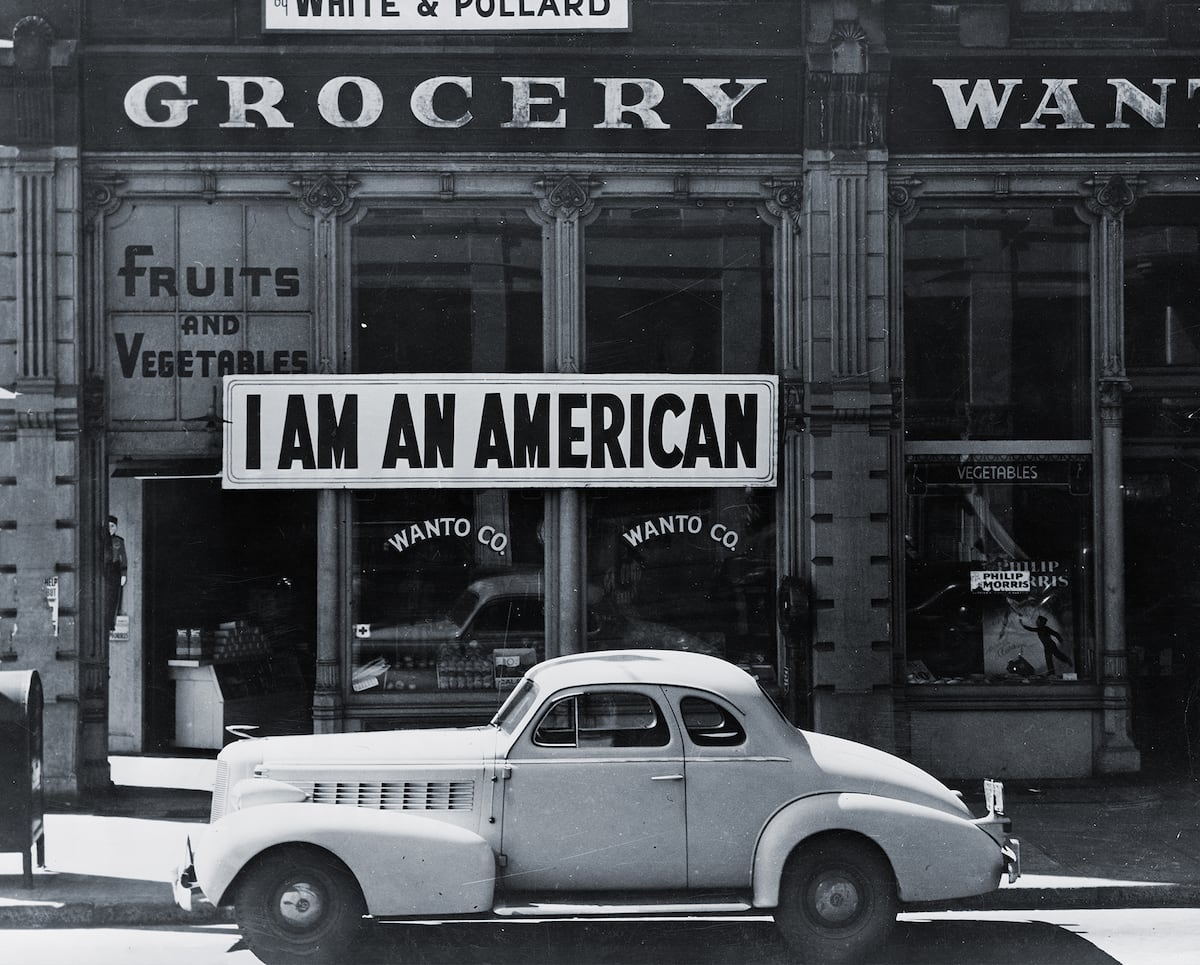
It set the stage for mass eviction, evacuation and incarceration of 120,000 first-generation Japanese immigrants, known as Issei, and Nisei, who were U.S. citizens by birthright. They were penned into camps across desolate regions in California, Arizona, Wyoming and Colorado, among other states.
To add to the degradation, in the wake of Pearl Harbor, Americans of Japanese descent were initially denied the opportunity to serve their country.
That all changed, almost two years to the day of Roosevelt’s executive order, with the formation of the 442nd Regimental Combat Team — a unit that to this day remains the most decorated Army combat unit — made up almost entirely of soldiers of Japanese descent, including Medal of Honor recipient and eventual Hawaii state Senator Daniel Inouye .
Despite the betrayal of their own country, nearly 33,000 Japanese Americans elected to serve in the armed forces. Of those, 11,000 were Hawaiian Nisei.
The seven cadets posthumously promoted last month — Grover Nagaji, Howard Urabe, Robert Murata, Jenhatsu Chinen, Daniel Betsui, Hiroichi Tomita and Akio Nishikawa — were part of those 11,000 Hawaiian Nisei to join the 442nd Regimental Combat Team.
Denied the opportunity to commission, the former cadets all enlisted in the 100th Infantry Battalion. All seven were killed in action in Europe in 1944.
“These seven sons of Hawaii were just barely out of their teens in our UH ROTC program when their commitment to serve their country loyally as United States Army officers was questioned by that country solely because of their race,” U.S. Representative Ed Case said in a statement.
“The awarding of these gold bars three generations later means far more than final and just achievement of the rank of Second Lieutenant. It stands as still another in a long line of testaments to the commitment of Japanese Americans willing to fight and die to preserve and protect the values of democracy and freedom for a country that had not returned their loyalty.”
German soldiers surrender to riflemen of the 100th Infantry Battalion after a short but rather sharp exchange of fire. Orciano area, Italy, July 15, 1944. (National Archives)
Military Times reached out to the Army to discuss the commissioning but did not receive a response as of press time.
The promotions, meanwhile, follow a June 2024 request from the Hawaii congressional delegation urging then-Secretary of Defense Lloyd Austin and Secretary of the Army Christine Wormuth to review the military records of the seven cadets and consider their eligibility for posthumous officer commissions, according to the release .
The men were posthumously awarded bachelor’s degrees by the University of Hawaii in 2012, but the push for them to receive commissions has been a long-standing effort by the UH Army ROTC, staff, students and alumni of the university.
“Today, we finally recognize them as the officers they were meant to be,” U.S. Rep. Jill Tokuda said in a joint release. “This is about acknowledging the history of our Nisei veterans and honoring their sacrifice the way it should have been honored 80 years ago. I’m grateful to the University of Hawaii ROTC program, the Army, and the many who supported this long-overdue recognition.”
Claire Barrett is an editor and military history correspondent for Military Times. She is also a World War II researcher with an unparalleled affinity for Sir Winston Churchill and Michigan football.
陆军部长正在努力纠正长达八十年的错误。
上个月,丹·德里斯科尔追授七名日裔美国二代士兵(即二世)少尉军衔。
这些男子都是夏威夷大学陆军预备役军官训练团 (ROTC) 的前学员,他们因 1941 年 12 月 7 日珍珠港事件后,与第 9066 号行政命令和普遍存在的反日裔美国人歧视相关的政策而被开除。
该命令由富兰克林·罗斯福总统签署,授权从西海岸大规模驱逐“所有被认为对国家安全构成威胁的人员”。
这为大规模驱逐、疏散和监禁12万名被称为“一世”(Issei)和“二世”(Nisei)的第一代日本移民(他们生来就是美国公民)埋下了伏笔。他们被集中关押在加利福尼亚州、亚利桑那州、怀俄明州和科罗拉多州等州的荒凉地区的集中营中。
雪上加霜的是,珍珠港事件后,日裔美国人最初被剥夺了为国效力的机会。
这一切在罗斯福总统颁布行政命令近两年后发生了改变,第 442 步兵团战斗队成立了——这支部队至今仍是陆军战功最卓著的战斗部队——该部队几乎全部由日裔士兵组成,其中包括荣誉勋章获得者、后来的夏威夷州参议员丹尼尔·井上。
尽管背叛了自己的国家,仍有近33000名日裔美国人选择参军。其中,有11000人是夏威夷二世日裔。
上个月被追授晋升的七名学员——格罗弗·纳加吉、霍华德·乌拉贝、罗伯特·村田、知念仁发、丹尼尔·别井、富田博一和西川昭夫——是加入第442步兵团的11000名夏威夷日裔士兵中的一部分。
由于未能获得军官委任,这些前学员全部加入了第100步兵营。1944年,这七人全部在欧洲阵亡。
“这七位夏威夷之子刚过二十岁,就加入了夏威夷大学的后备军官训练队,仅仅因为他们的种族,他们作为美国陆军军官忠诚为国效力的决心就受到了国家的质疑,”美国众议员埃德·凯斯在一份声明中说。
“三代之后授予这些金条的意义远不止是最终获得少尉军衔的公正认可。它再次证明了日裔美国人为捍卫民主和自由的价值观而甘愿战斗乃至牺牲,尽管这个国家并未回报他们的忠诚。”
1944年7月15日,意大利奥尔恰诺地区,德军士兵在与美军第100步兵营步枪兵短暂而激烈的交火后投降。(美国国家档案馆)
《军事时报》已联系陆军询问授衔事宜,但截至发稿时尚未收到回复。
据新闻稿称,此次晋升是应夏威夷国会代表团 2024 年 6 月的请求而做出的,该代表团敦促当时的国防部长劳埃德·奥斯汀和陆军部长克里斯汀·沃姆斯审查这七名学员的军事记录,并考虑他们是否有资格获得追授军官委任状。
2012 年,夏威夷大学追授这两名男子学士学位,但推动他们获得军官委任一直是夏威夷大学陆军后备军官训练队、教职员工、学生和校友的长期努力。
“今天,我们终于承认了他们作为军官应有的地位,”美国众议员吉尔·托库达在一份联合声明中表示。“这关乎承认我们日裔二代退伍军人的历史,并以80年前就应该有的方式缅怀他们的牺牲。我感谢夏威夷大学后备军官训练团、陆军以及所有支持这项迟来的认可的人们。”
克莱尔·巴雷特是《军事时报》的编辑和军事历史记者。她也是一位二战研究员,对温斯顿·丘吉尔爵士和密歇根大学橄榄球队有着无与伦比的热爱。